Dust suppression is one of the most common, and most scrutinised – jobs a water truck does. Get it wrong and you’re looking at site shutdowns, complaints, or EPA attention. Get it right and it barely gets noticed, which is exactly the point.
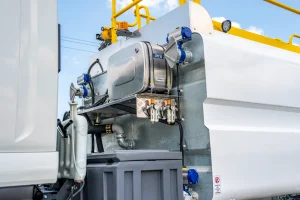
Coverage matters more than capacity. A big tank doesn’t help if your spray setup can’t actually cover the ground you need. Front, rear and side spray bars each solve a different problem: front sprays knock down dust ahead of the truck on haul roads, rear sprays handle the area behind the vehicle (and other traffic), and side sprays cover wider working areas like compaction zones or civil earthworks. Most serious dust suppression work on civil and mining sites needs more than one.
Refill frequency is a productivity question, not just a water question. Every refill trip is time the truck isn’t suppressing dust. Capacity, tare weight and route distance to water all determine how often you’re pulling a truck off the job – which is why higher-capacity, lighter-tare trucks (like GTS’s 14,000L builds, which carry around 10% more usable water than comparable trucks) translate directly into fewer refill runs and more time actually working.
Councils and civil contractors have different compliance pressure. Council fleet work is often road maintenance and public amenity focused – reliability and uptime matter because there’s rarely a backup truck. Civil and construction sites are more likely to be managing dust complaints, EPA conditions, or compaction requirements where under-watering means redoing compaction work. Either way, a truck that’s reliably in service matters as much as the spec sheet.
Don’t overlook operator controls. In-cab hydraulic controls mean the operator can adjust spray without leaving the cab – faster response, less time wasted, and safer on active sites with other plant moving around.
Whether you’re running one truck for a council depot or speccing a fleet for an ongoing civil contract, the right dust suppression setup comes down to matching spray coverage, capacity and tare weight to the actual site – not just picking the biggest tank available.
Talk to GTS about what you’re working with and we’ll spec it properly.